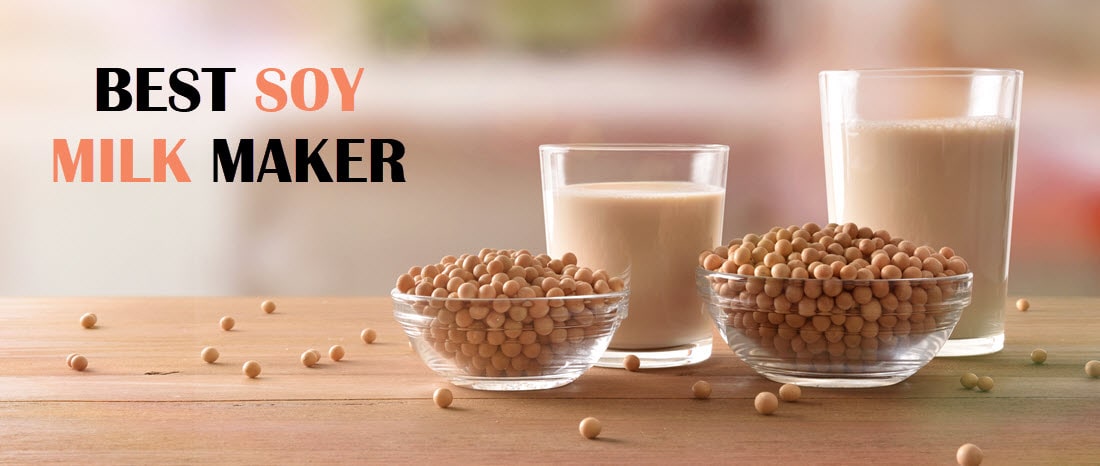
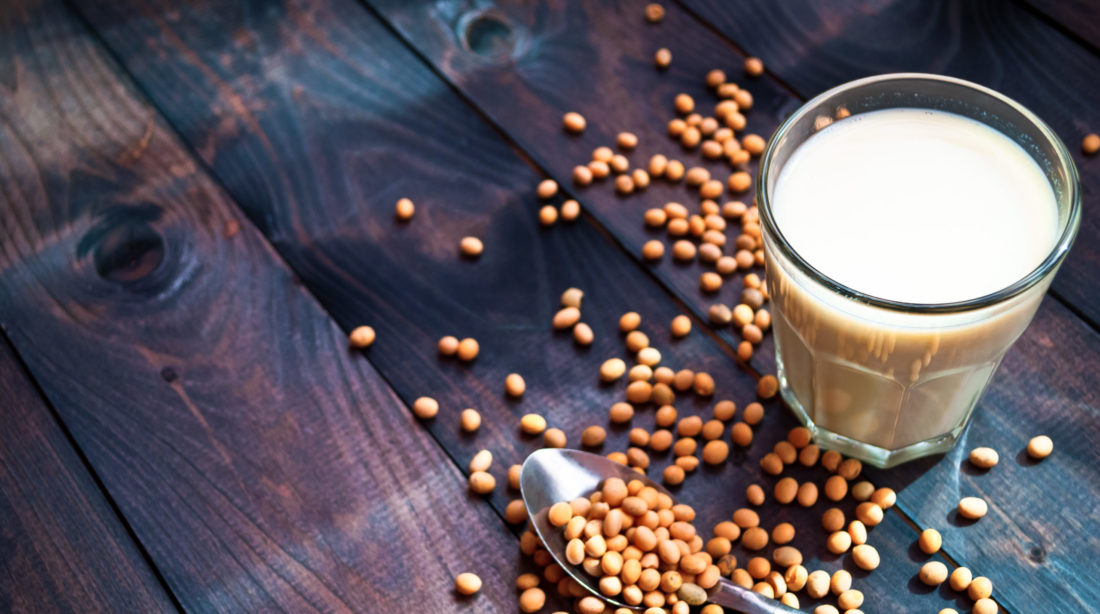
We've gotten a few queries lately from our readers about which soy milk maker we recommend.  As many of you know, we own the  Tribest Soyabella Soymilk Maker.   Jane got it that soy milk maker as a Christmas gift from her mom way back in December of 2007.  We were very happy with it when we first got it -- we learned how to make soy milk -- but do we still love this machine?  And would we buy it again?  Are there other machines worth trying?  And some of you are wondering, with all the prepackaged soy milks out there, is it worth the effort?

I'll answer the last question first.   YES!  By making your own soymilk you save money, control your intake (you control the ingredients), and you also cut down on the inherent costs to the planet in packaging and transportation costs.  But the soymilk you make at home is not the same as the soymilk you purchase in the store.  First, there is no binder in your homemade milks, so they do tend to separate out.  All you have to do is stir the product up before using it, but this does tend to freak out some people.  Secondly, with all the soymilk makers we've experienced, you have to strain the soy milk again, otherwise you'll wind up with a slightly gritty milk.  Thirdly, homemade soy milk has a very different taste than the soymilk you buy in the store.  If you do nothing to the milk (i.e. add vanilla and sweetener) it will have a "beany" taste.  Finally, the milk you at home is not fortified, so if you're counting on getting a healthy dose of calcium or vitamin D from your milk, think again.  Try some turnip greens or bok choy, or white beans instead.

On to the soy milk maker product reviews:

Soyapower Plus: If we were buying a machine today, this is the one we would get.  Jane's friend has this and adores it.

  • Pros:  Easy cleanup.  Power cord attachment in a better place than the Soyabella (our machine).  Insulated so it's pretty quiet, and the body doesn't get hot.
  • Cons:  When your milk is done, it doesn't stop beeping until you unplug the unit.  This could drive you crazy!

SoyQuick Premier 930P: This machine would get my vote, but it's $60 more than the Soyapower Plus (above)... so factoring in the cost, this machine gets my second place vote.

  • Pros: No internal filter so, easier cleanup.
  • Cons:  No internal filter, so you have to strain the milk after it's made.  If you are making soymilk, this means that you need to let the milk cool in the stainless steel body before filtering it through the plastic sieve.  For the price of the unit, the sieve should be better.

Joyoung CTS1048:  Another of our friends has this model soymilk maker.  She's had to return it to the manufacturer twice for repairs.  The manufacturer graciously replaced the machine both times, but who wants to go through all that trouble.  We're not sure if this is indicative of a quality control issue, or if she just wound up with a lemon.

  • Pros:  Easy to clean.
  • Cons:  Gets hot to the touch (as a tea kettle would).  This machine also has a plastic pitcher you are supposed to pour the hot milk into.

Soyabella:

  • Pros:  The machine is very easy to use.  We've had no issues until now.  In making soy milk, we've never had it boil over, but the machine does get a little hot to the touch.  But you wouldn't put your hands on a tea kettle, would you?  Makes hot and cold milks (soy, nut, rice, oat).
  • Cons: After 2 1/2 years of making almond milk weekly, the blades are beginning to dull a bit and it isn't grinding as well as it used to.  Unfortunately, Tribest (the manufacturer of this soy milk maker) doesn't seem to sell replacement blades, and the warranty period is up, so I can't wholeheartedly endorse this product.  My blender, which I use daily is still going strong after 9 years, I would expect my soymilk maker to do the same.   With power connections on the top and base, you need to ensure that they don't get wet when cleaning.  Not a huge issue, but poor design.  The milling cycle is very noisy.

As with all the soymilk makers out there, you have to make sure that you don't overfill the machine.  All the ones we've seen have easily identifiable water fill markers on the inside of the canisters.  Also it's a good idea to pre-soak your soybeans before making the milk.  It will help improve the taste of your finished product.

We use our soy milk maker predominantly to make almond milk.  The real reason behind this is that Jane has a strong history of breast cancer in her family and there is so much conflicting information out there as to whether or not soy should be avoided... so we err on the side of caution.  We know we're getting some soy product through the limited amount of processed foods we eat (there seems to be soy in everything these days!), and Jane likes to cook up a soy stir fry or tofu scramble for dinner at least once a week.  Plus we enjoy edamame and miso soup (remember to watch out for bonito flakes in your miso).  One further reminder to those of you considering venturing out to make your own soy milk:  most soy is genetically modified.  So you should look for soybeans which are non-GMO.

So, in summary, Jand and I would recommend the Soyapower Plus soy milk maker, rice milk maker, nut milk maker. If you would like to see all of the popular models available, you can check out the current best selling soy milk makers, just click here.

Alternative milks cost much more that conventional cows milk.  If you are committed to making the transition to non-dairy milk, or have already done so, you may want to consider investing in a soy milk maker.  A good soy milk maker can save you a lot of money over the course of a year.

Comments (5)

Jane and I were out and about today and popped in to an ad hoc cooking class. The teacher was presenting different summer recipes and one of them sounded very interesting. After the class was over we chatted with the teacher for a few moments. After a few references to different meats we could incorporate into the recipes she had presented we told her we were vegan. Her first question, "Do you eat fish?" Then she suggested various ingredients we could add to certain recipes to "spice them up" -- including Worchestershire sauce, which contains ANCHOVIES! (Note: she didn't know, nor did she suggest searching for vegan Worchestershire sauce.)

This woman then went on to mention that she would be presenting a vegetarian cooking class later in the summer, and suggested we sign up. Now I understand that not everyone knows the definition of "vegan" -- I mean really, there's even debate about it within the vegan community. But if you are promoting yourself as a cooking instructor, especially one who is going to teach a class on vegetarian fare, should you have an understanding of what vegetarian means? And shouldn't you have a vague understanding of what the ingredients are in the products you are promoting?

Oh, and did I forget to mention that this woman is also a caterer?

Anyway, the point of this post is to remind everyone, ourselves included, that you don't always know what you're getting when you don't prepare your own food.

Comments (1)

If you live in the Los Angeles area, you can now order vegan chicken at Chipotle.

This option is not available at all LA area Chipotle restaurants. In fact, it's only available at two of their stores:

  • 244 South Beverly Dr. - Beverly Hills, CA 90212
  • 121 N. La Cienega Blvd., #114 - Los Angeles, CA 90048 (right by the Beverly Center)

For some vegans, the idea of eating in an omnivore-oriented restaurant is not palatable (pardon the pun) because, by eating at this type of establishment you could be said to be supporting the unnecessary slaughtering of animals for food.  But PeTA is urging you to try the vegan chicken at Chipotle, and we are too.  The more people who ask for vegan fare, the fewer animals who are ultimately slaughtered.  And, if we can get the fast food chains to start carrying vegan fare as part of their standard menu, then omnivores who don't have the slightest idea what "vegan" means might find themselves eating vegan.  Of course, it's "fast food" so there's the whole issue of whether or not it's healthy food, but that's fodder for another post.

If you live in the Beverly Hills area, or if you'll be visiting, I urge you to go to either of these two Chipotles  and order the vegan chicken burrito. This mock-meat burrito features Garden Blend: mock chicken strips marinated in chipotle adobo sauce and then grilled. The burrito also comes with black beans, rice, and toppings.  Bring your friends. Bring your carnivore friends and offer them a taste. Let them see that they can eat well without having to eat meat. The only way that vegan food will become accepted into the mainstream food establishments is if the restaurants feel that enough people are willing to order the product.

So if you live in Los Angeles, or happen to be visiting, make sure to go to either of these two Chipolte restaurants and order the vegan chicken burrito.

Comments (5)

Mmmm, Vegan Lasagna

I'm a fan of the vegan brownies and vegan banana nut chip muffin recipes in The Joy of Vegan Baking, by Colleen Patrick-Goudreau.  So when we found out that she had a new cookbook out,  The Vegan Table, I rushed right out to get a copy.  (Okay, I ran to the computer and ordered it... but isn't that the same thing?)

The first recipe we tried was the less than successful Matzoh Ball Soup recipe I wrote about in my last post.  But I know this author has some excellent recipes in her repertoire... so I begged Jane to make the Vegan Lasagna.  She's got a few other things earmarked to try.  But since she likes to "surprise" me, I couldn't tell you what she's got planned.

Back to the lasagna.  YUM!!!!  We've already had it twice, and we haven't had the cookbook for a month!  We get three dinners out of this.  We wound up using  a slightly smaller pyrex dish, so Jane used a tad less pasta, but didn't cut down on the sauce and filling.  We've found the first serving is a little wet.  The second meal has the perfect level of moisture, and we tend to need a bit more sauce for our third dinner.

Having grown up in New York, on Sicilian-style Italian cooking... lasagna, ravioli, baked ziti, we tend to shy away from the veganized versions of these foods.  Cheese is just something that doesn't usually work.  But I can heartily recommend this recipe for even a cheese-loving omnivore.

Comments (6)